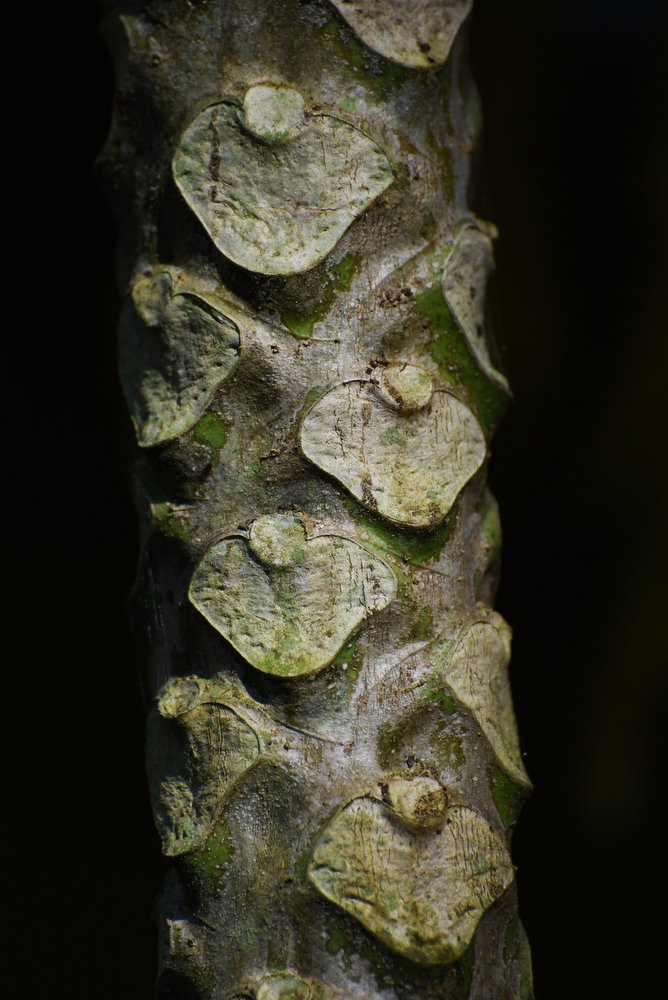
The fast-growing papaya tree is an important pioneer species in the Amazon rainforest providing food to wildlife and humans as the forest regenerates after deforestation or natural phenomena such as flooding.

A resident scarlet macaw, affectionately named Diablo, was photographed at Villa Carmen Biological Station, Pilcopata, Peru. Macaws mate for life, and while Diablo may not have found his true love yet, he could often be spotted around the research station with his companion, a blue and yellow macaw, Lorenzo.
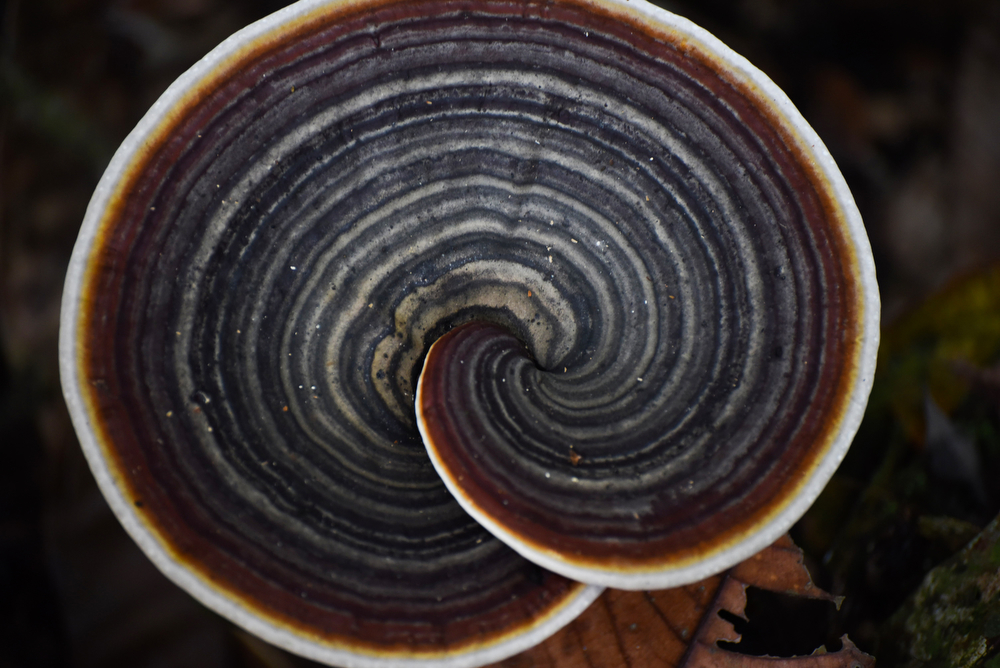
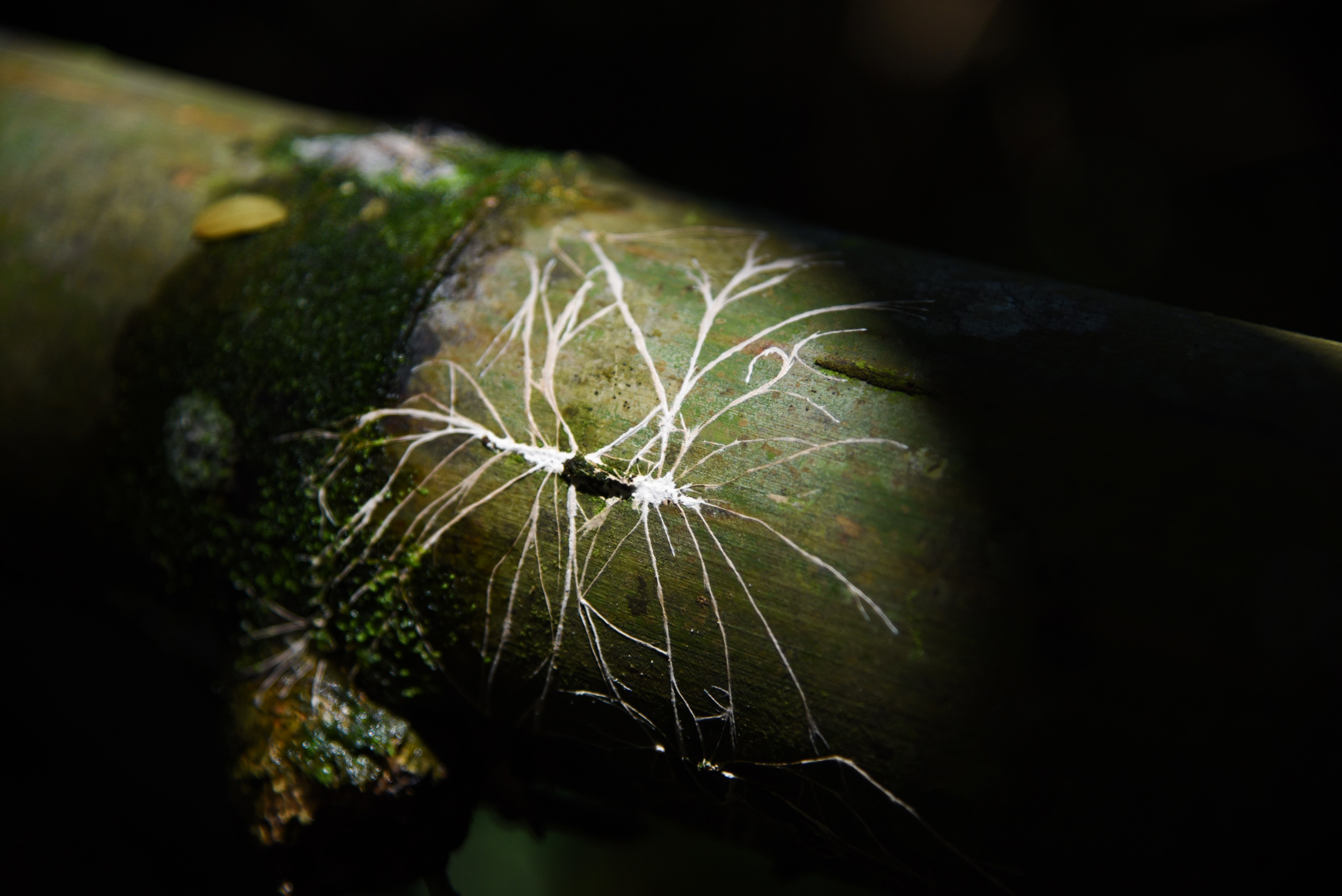
Understated but often beautiful, fungi are important decomposers in the jungle, playing a significant role in forest health. Recent studies even suggest that the spores they release may help provide a base for rain water droplets to form in the Amazon rainforest.
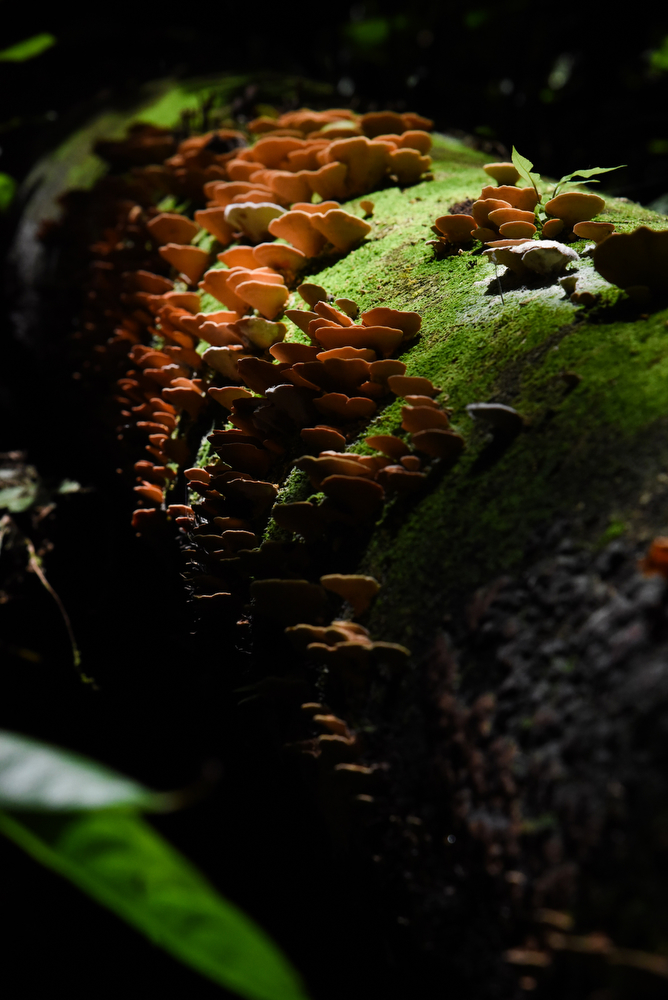
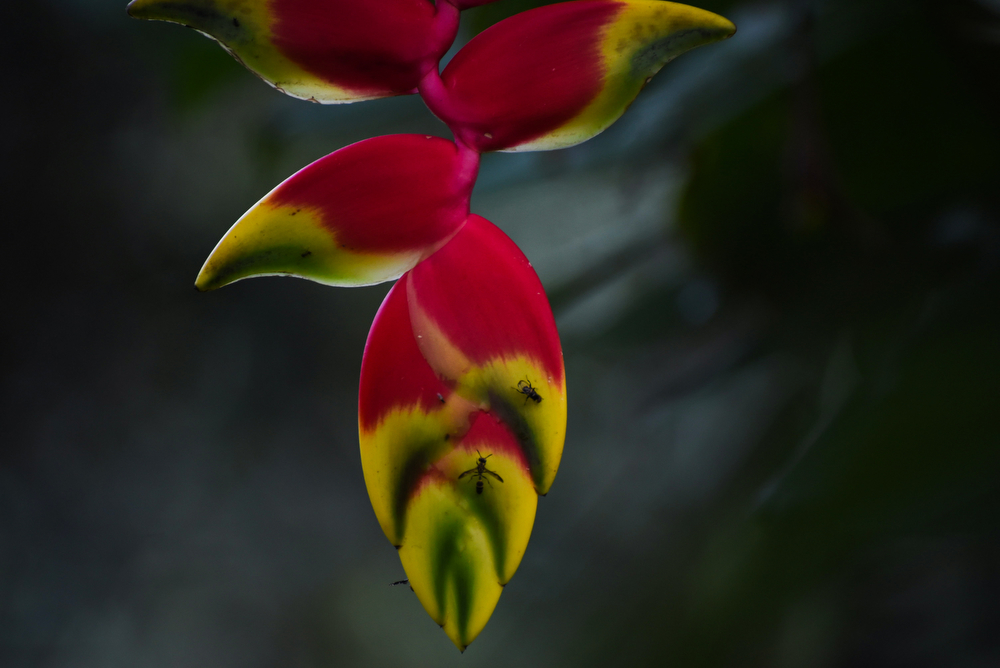
Insects cluster on a Hanging Lobster Claw plant (Heliconia rostrata) in the Peruvian Amazon. There are over 194 species of heliconia found throughout the world, with most of them native to Central and South America. Each of these resplendent species acts as its own island ecosystem in an intricate food web, providing food and shelter for an array of organisms including hummingbirds, spiders, frogs, beetles, flies, cicadas, aphids, planthoppers, wasps, bees, ants, butterflies, moths, snails, mites and parasite species.

Visual artist Maisie McNeice holds several sloth claws she discovered while hiking in the Amazon rainforest.
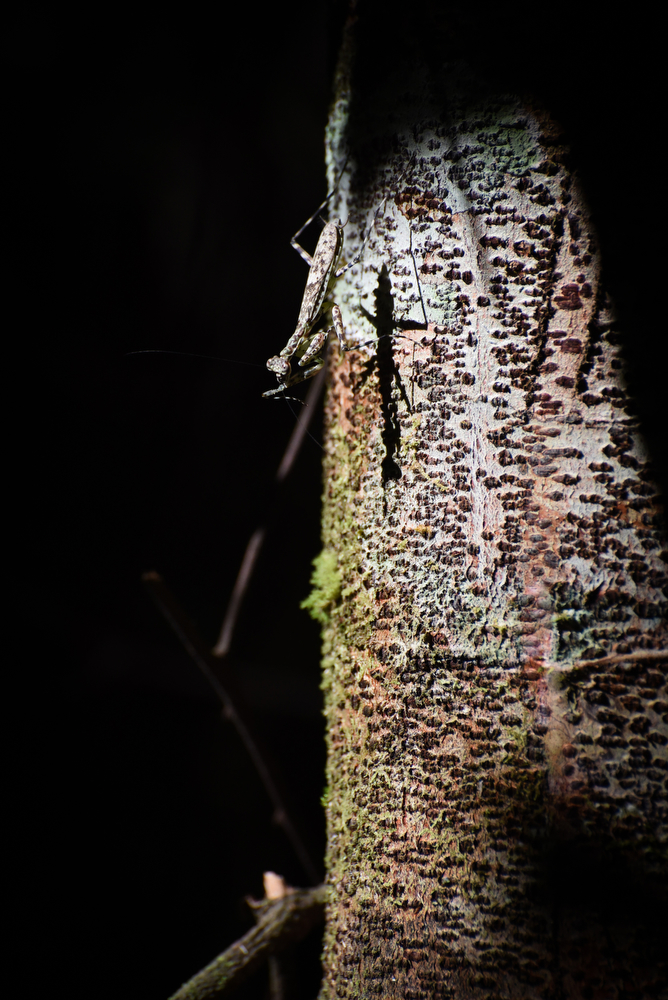
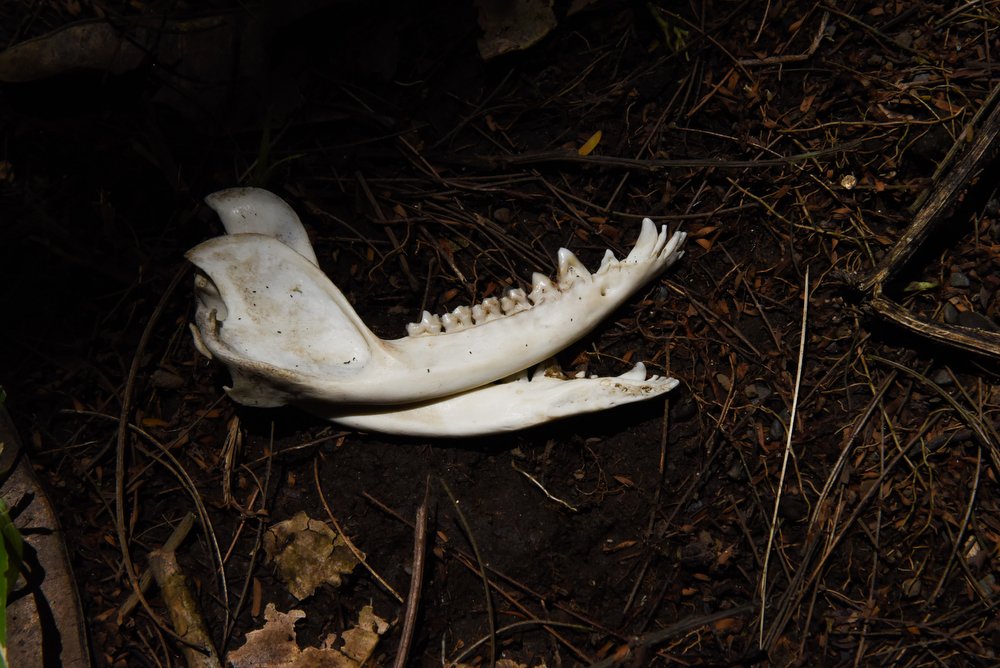
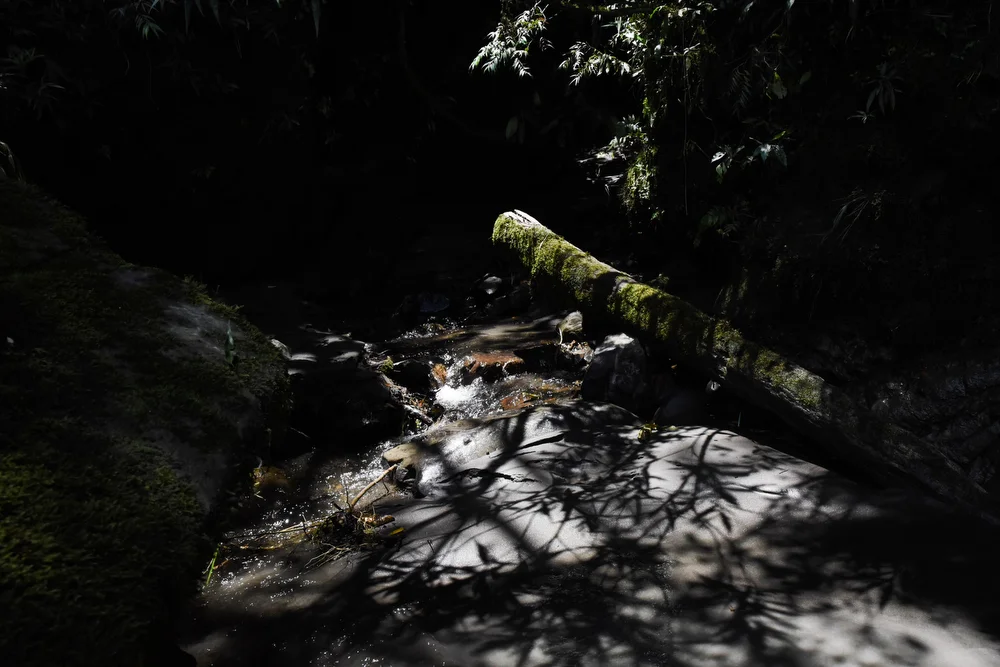
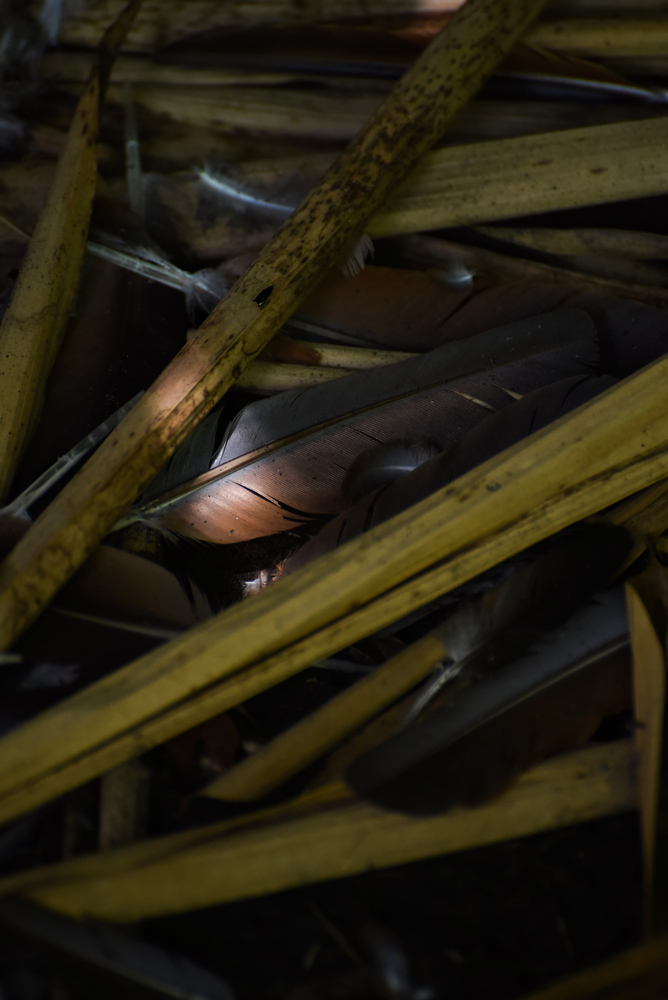
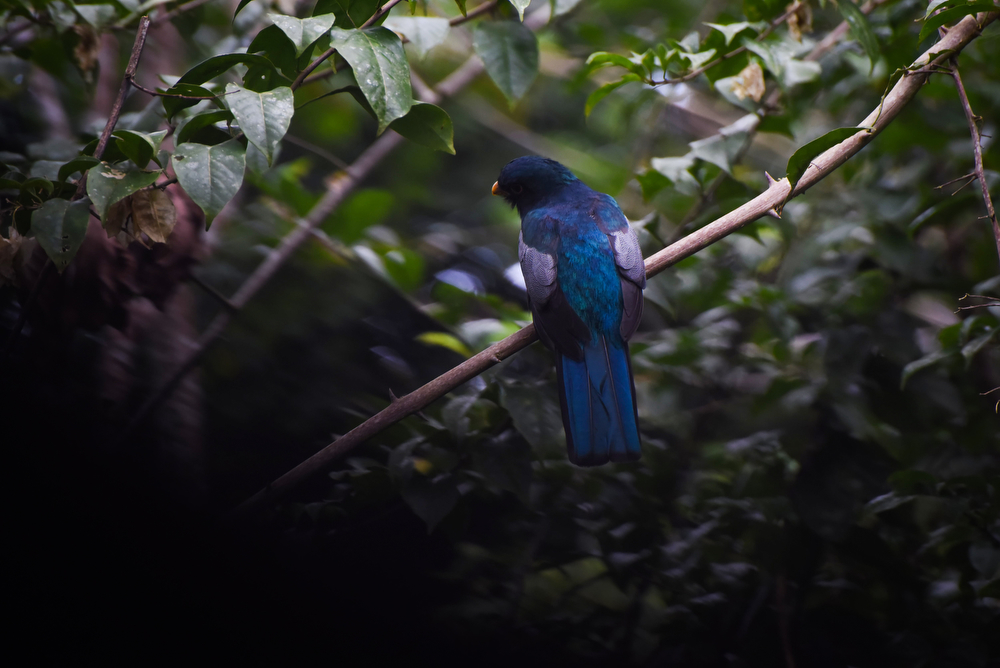
A Black-tailed trogon briefly alights a branch before disappearing back into the Amazon rainforest. Besides being renowned beauties, trogons are also known for being able to turn their heads 180 degrees and look over their shoulders while being watched. This enables them to keep their flashy colored chests out of sight from suspected predators.

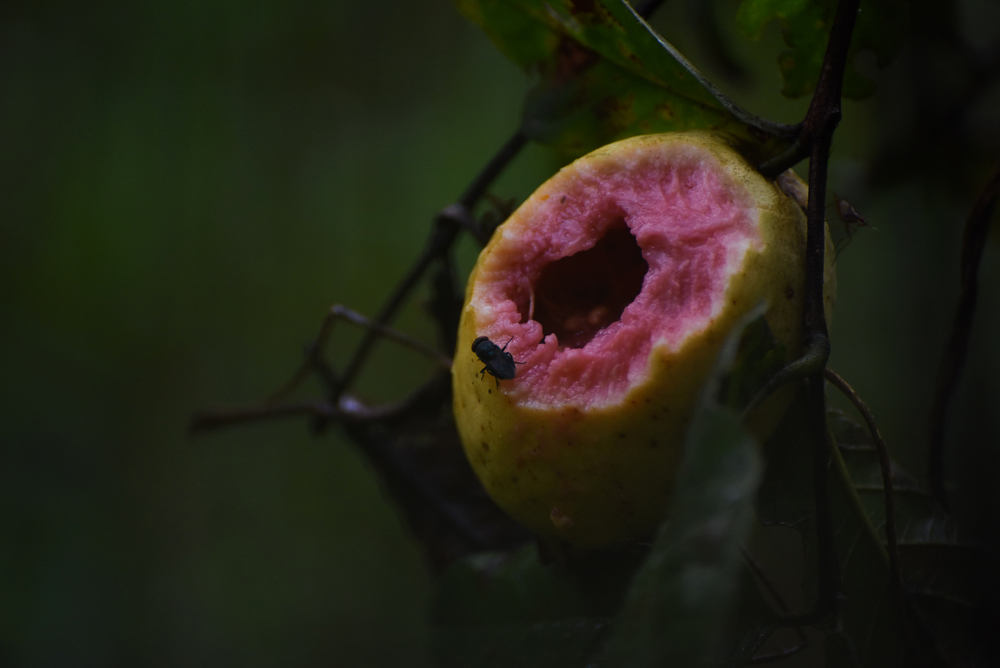
A wild guava remains on its stem after being partially eaten by an animal. Guavas are a popular and important food source for many animals and people in the Amazon rainforest. Guava seeds have even been found at Peruvian archaeological sites and may have been cultivated by humans thousands of years ago.
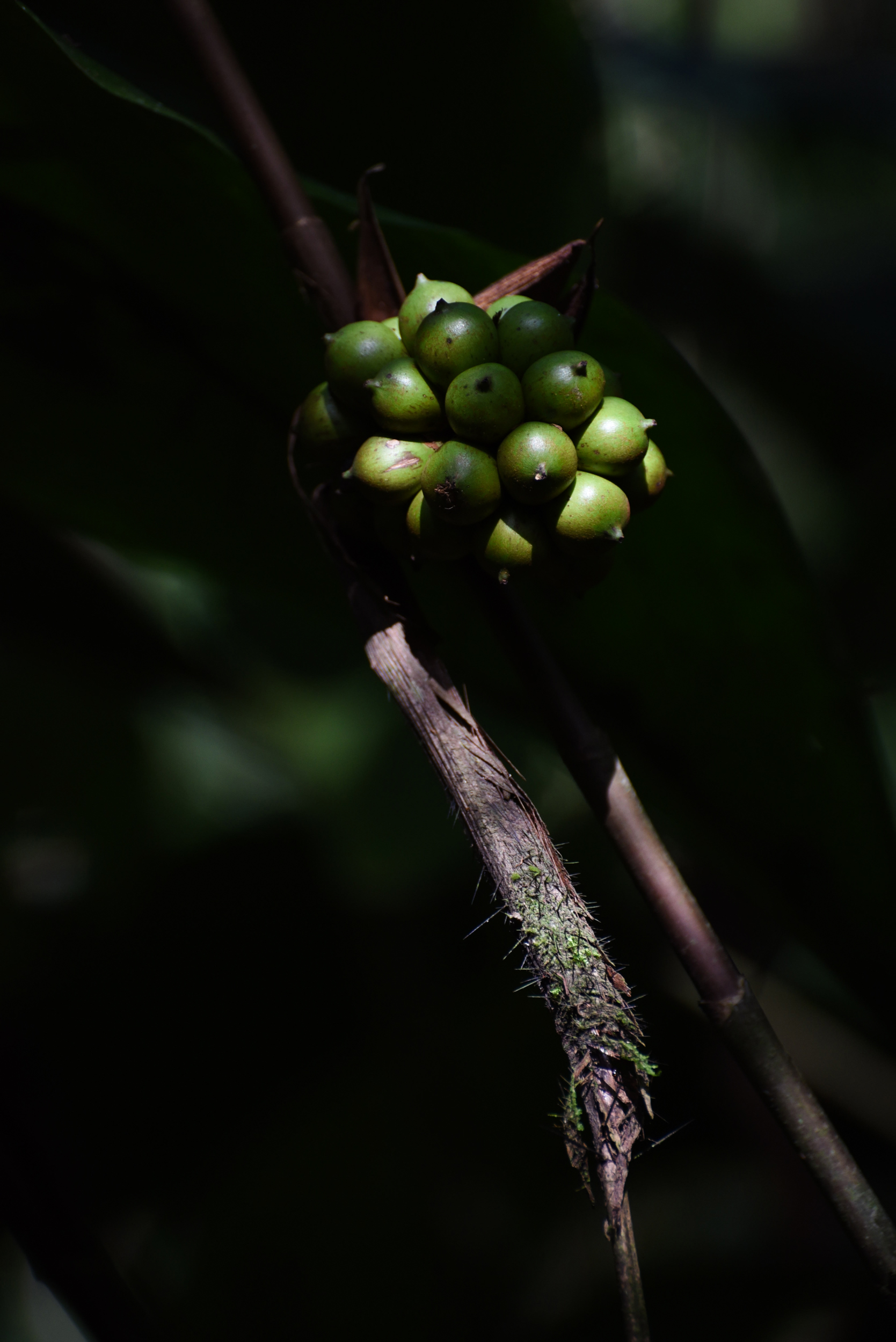
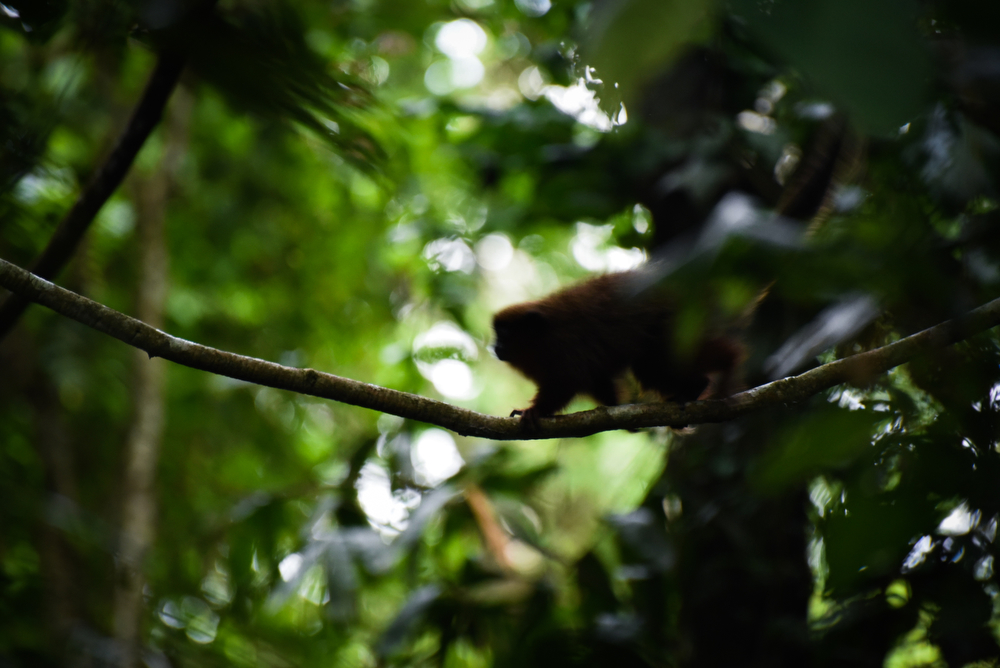
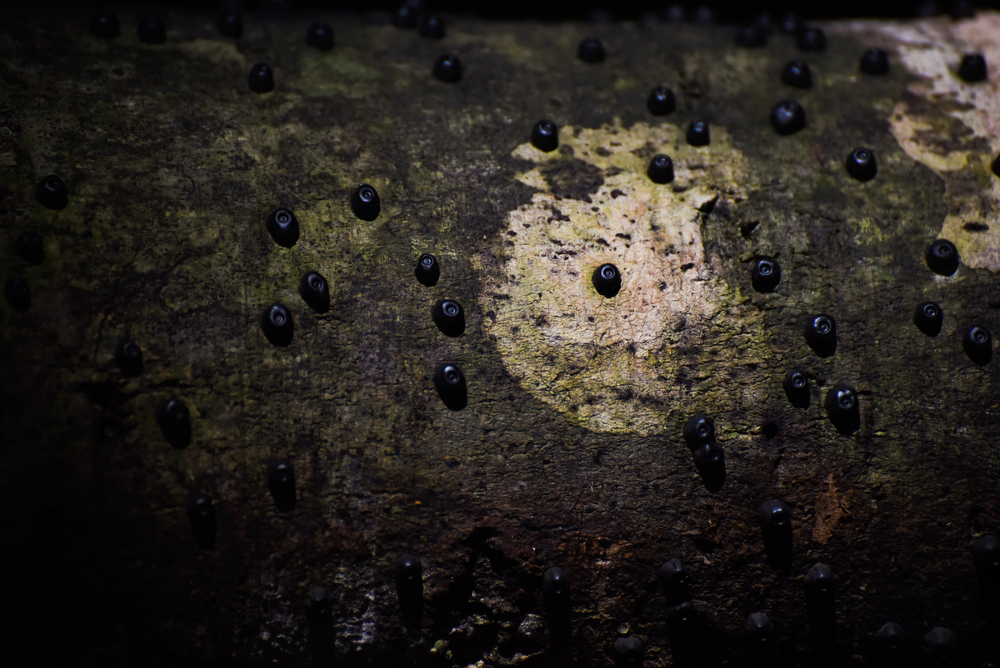
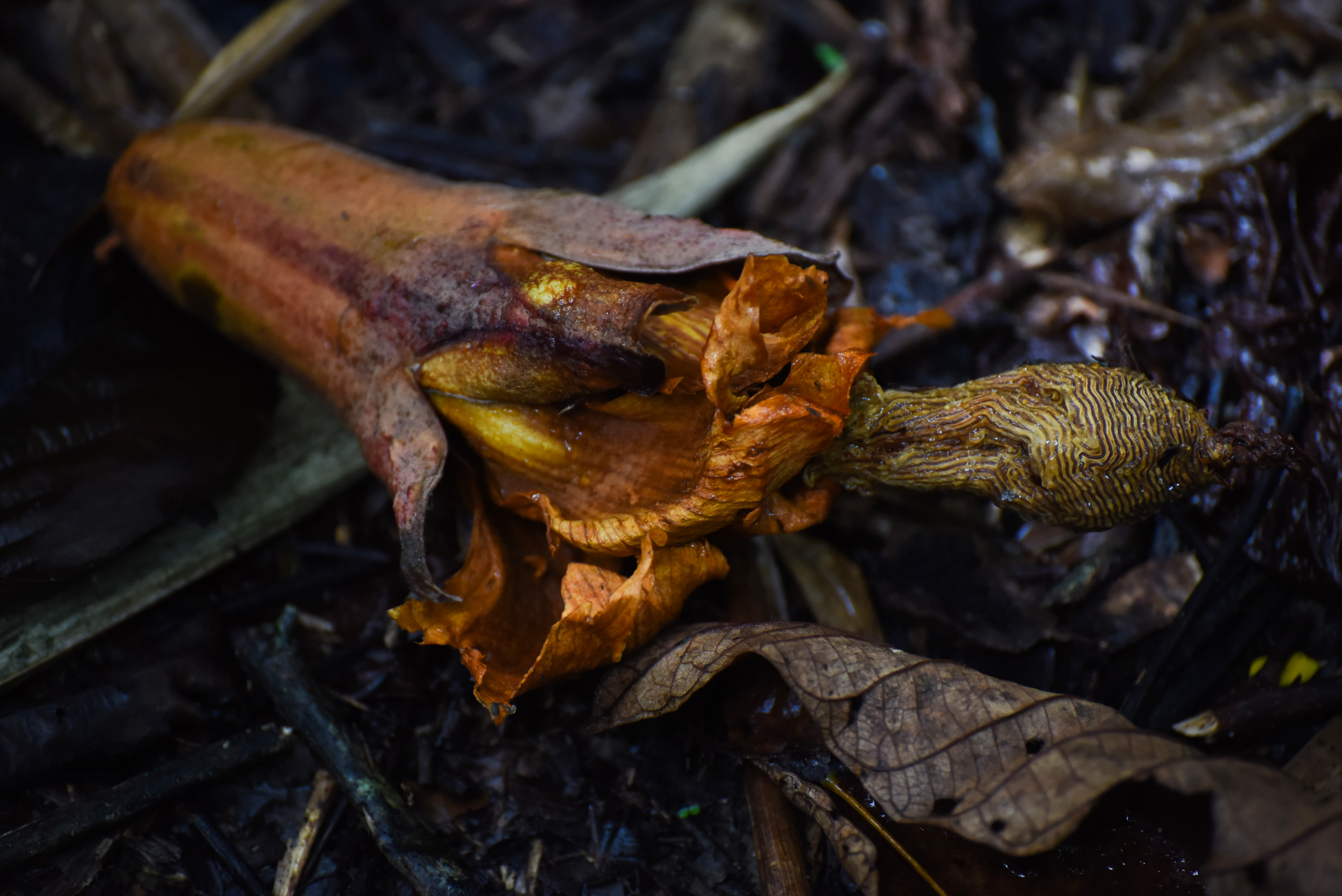
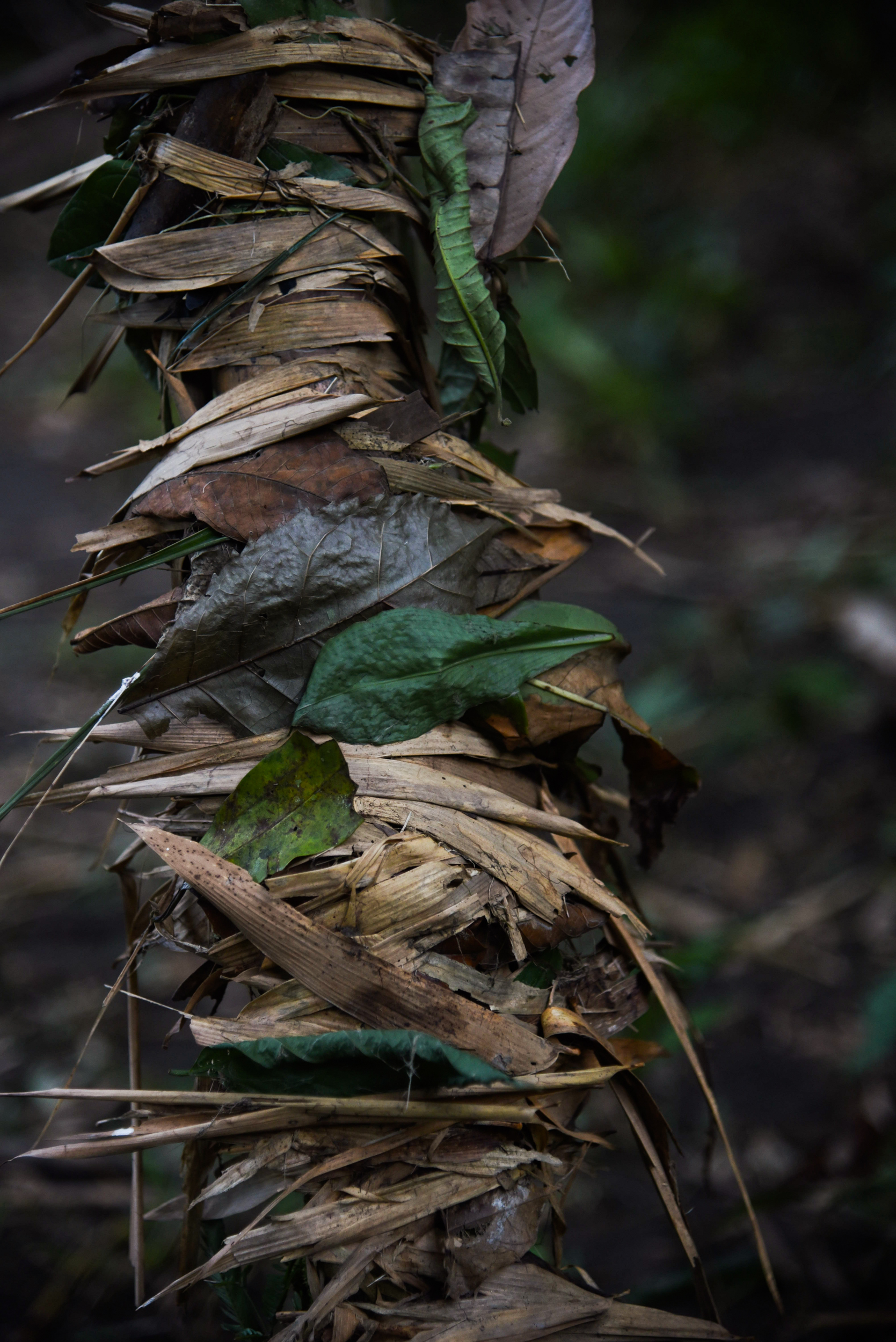
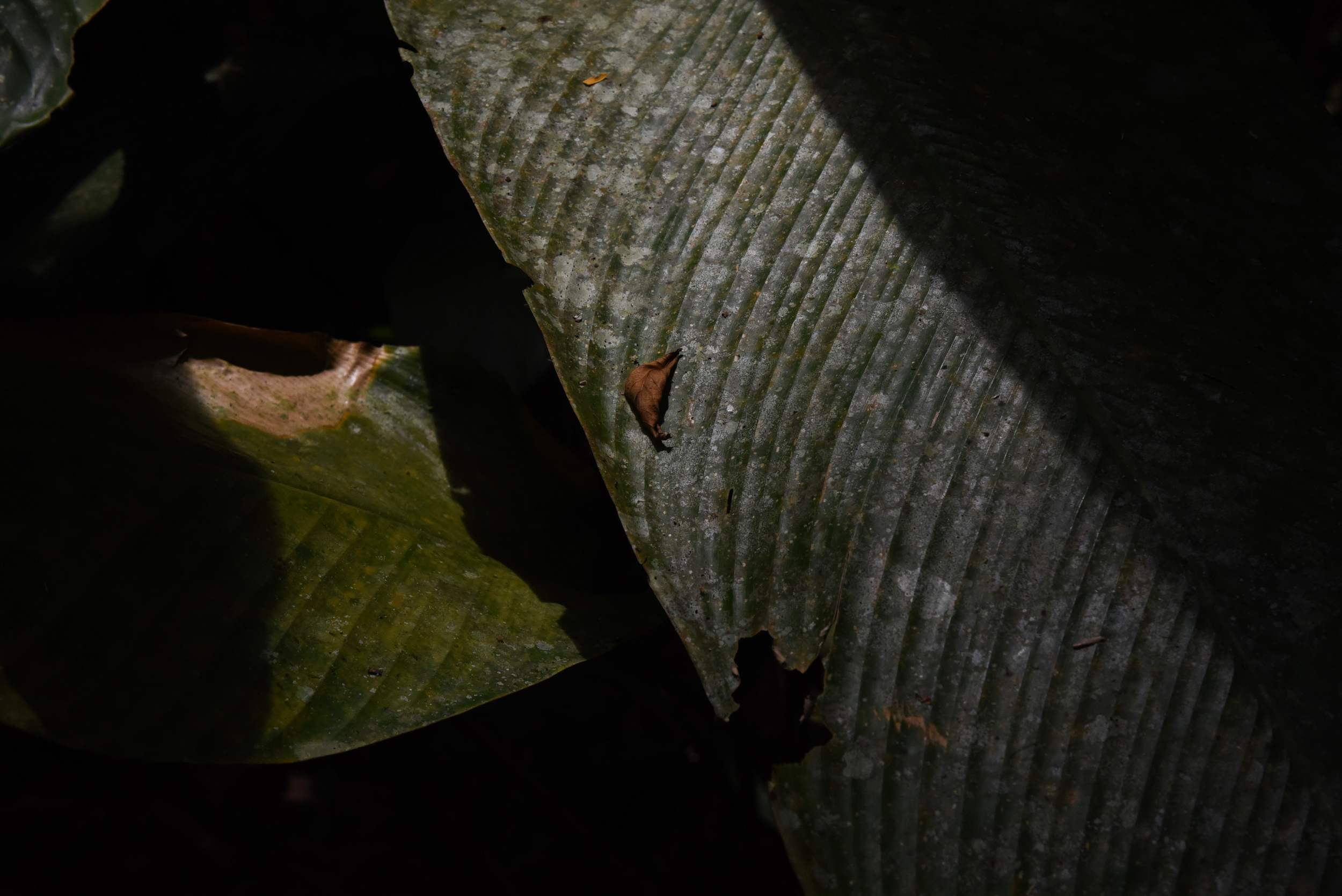

Jungle Vignettes: The Illustrative Amazon Rainforest
When I first arrived to the Amazon, I had trouble sleeping at night because of the wave of unrecognizable animal sounds that would rise out of the amplifying humidity and darkness. I would dream of venomous and man-eating snakes. The first few times I walked the trails around the research station where I lived, I was convinced that every crash in the forest was some hungry and angry creature.
Loud noises still flush my body with adrenaline and cortisol, but I’ve also come to value the sensation of feeling so alert, more aware than ever before. These images are an effort to make sense of this terrifying and magical place and all the feelings that have surfaced for me while exploring it. Every hike in the Amazon is different from the last, even if the same ground was covered only a few hours before. The jungle is in a constant flux of creating, destroying, decomposing and regenerating. It is impossible to not contemplate death, the fragility of life and what the continued destruction of the Amazon will mean to all of us while experiencing this place. These visual moments are a record of the raw, primal emotions that are evoked from this splendid and endangered expanse of wilderness.
*The multimedia version of this story was originally published on ViewFind.com.